Only in English
The Life of Vuk
Update Required To play the media you will need to either update your browser to a recent version or update your Flash plugin.
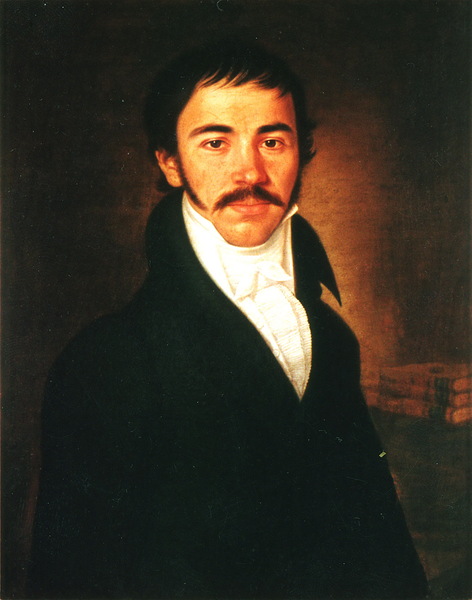
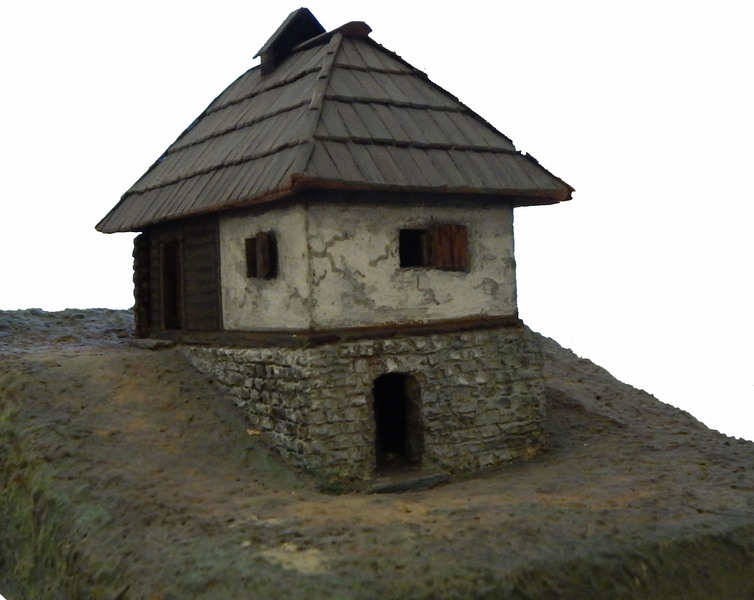
Vuk Stefanović Karadžić was born in 1787, in Tršić, a village near Loznica. His parents had had five children before Vuk was born, and all of them died at a very young age. According to folks beliefs, the child needed protection, and this is why the boy was named Vuk (meaning ''wolf''). Vuk wrote about his name: „If some woman's children cannot stay in life, she names her next child Vuk. People think that witches eat their children, and knowing that witches are afraid of wolves, they name their children after that animal. This is why my name is Vuk“.
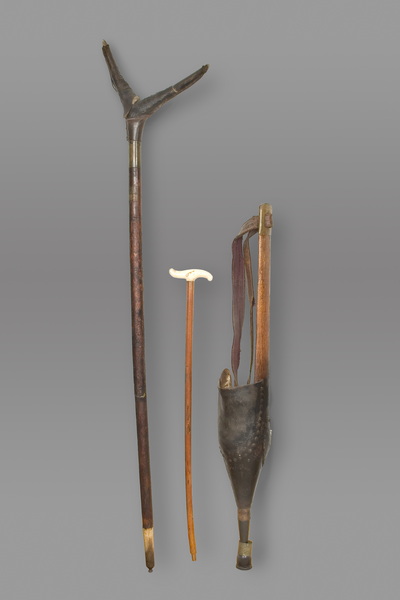
Thanks to his name, or life circumstances, Vuk had a long and fulfilled life, although he was suffering from a severe rheumatic disease that caused his left leg to be deformed. He always had to use his wooden crutch.
Vuk also had many problems with his education. He started to study with teachers in villages, and later he managed to enroll at the Grand School in Belgrade. Several health, social and war issues affected his education and caused it to be interrupted. After the First Serbian Uprising was lost for Serbs, Vuk, along with many other educated people, left Serbia and moved to Vienna, where he spent the rest of his life.
He visited Belgrade two more times. The second and the last time he came to Serbian capital, he was appointed a member of the State and Belgrade Courts , and a year later, he became the Mayor of the city of Belgrade. Vuk was not accepted by Serbian people. In Serbia and Russia he was suspected to be an Austrian spy, and in Austria to be a Russian spy.
Vuk suffered a lot in his private and family life. He met his first love Ruža in Tršić. She was a neighbor's daughter. Their love is mentioned a few times in Vuk's notes. They probably ended their relationship due to Vuk's disease, and Vuk decided never to return to Tršić because he didn't want Ruža to see him as a cripple. A few years later in Vienna he married his landlady's daughter, an Austrian Anna Kraus. Vuk travelled a lot and collected folk wise sayings, and Anna was mostly alone with their children. She raised and buried them, and they often lived in very poor conditions. They had thirteen children, but only two of them lived longer than their parents. Vuk wrote that is seemed to him that in the end, his only child would be his literature.
Thanks to his name, or life circumstances, Vuk had a long and fulfilled life, although he was suffering from a severe rheumatic disease that caused his left leg to be deformed. He always had to use his wooden crutch.
Vuk also had many problems with his education. He started to study with teachers in villages, and later he managed to enroll at the Grand School in Belgrade. Several health, social and war issues affected his education and caused it to be interrupted. After the First Serbian Uprising was lost for Serbs, Vuk, along with many other educated people, left Serbia and moved to Vienna, where he spent the rest of his life.
He visited Belgrade two more times. The second and the last time he came to Serbian capital, he was appointed a member of the State and Belgrade Courts , and a year later, he became the Mayor of the city of Belgrade. Vuk was not accepted by Serbian people. In Serbia and Russia he was suspected to be an Austrian spy, and in Austria to be a Russian spy.
Vuk suffered a lot in his private and family life. He met his first love Ruža in Tršić. She was a neighbor's daughter. Their love is mentioned a few times in Vuk's notes. They probably ended their relationship due to Vuk's disease, and Vuk decided never to return to Tršić because he didn't want Ruža to see him as a cripple. A few years later in Vienna he married his landlady's daughter, an Austrian Anna Kraus. Vuk travelled a lot and collected folk wise sayings, and Anna was mostly alone with their children. She raised and buried them, and they often lived in very poor conditions. They had thirteen children, but only two of them lived longer than their parents. Vuk wrote that is seemed to him that in the end, his only child would be his literature.
Download the free izi.TRAVEL app

Create your own audio tours!
Use of the system and the mobile guide app is free