Audioguida Downtown Tampa Self Walking Tour
21 attrazioni
- Sommario Auditour
-
Sommario Auditour
Update Required To play the media you will need to either update your browser to a recent version or update your Flash plugin.Downtown Tampa's history began with the establishment of Fort Brooke in 1824, a strategic U.S. Army outpost that led to the founding of the Town of Tampa in the 1830s. After slow growth and periods of disincorporation, the city boomed in the late 1880s thanks to railroads built by Henry B. Plant, the discovery of phosphates, and the establishment of the cigar industry in nearby Ybor City. The downtown area later saw revitalization efforts, particularly starting in the 1950s and continuing with projects like the development of Harbour Island and the Riverwalk.
Early years and slow growth
Fort Brooke: The modern history of downtown Tampa began with the establishment of Fort Brooke at the mouth of the Hillsborough River in 1824. The military outpost brought a small civilian population to the area, and the Town of Tampa was first incorporated in 1855.
Initial struggles: Growth was initially slow due to poor transportation, conflicts with the Seminole tribe, and yellow fever outbreaks. The city even disincorporated for over a decade during the Civil War and Reconstruction era.
The boom years: railroads, cigars, and phosphates
Railroads: The city's fortunes changed dramatically in the 1880s when Henry B. Plant's railroad lines reached Tampa, improving transportation and linking it to new markets.
Cigar industry: The founding of Ybor City in 1885 by Vicente Martinez-Ybor brought thousands of immigrants and established Tampa as a major center for cigar production, earning it the nickname "Cigar City".
Phosphate and port: The discovery of nearby phosphate deposits in the late 1880s led to a mining and shipping boom, and Tampa's port grew to become one of the most important in the nation.
Modern era and revitalization
Waterfront cleanup: Starting in the 1950s, Mayor Curtis Hixon led efforts to clean up the city's industrial waterfront, a project that took decades to complete.
Development: Later developments included the creation of Harbour Island and the ongoing development of the Water Street neighborhood and the Riverwalk, which have transformed the downtown area into a more vibrant residential and tourist destination.
Historic neighborhood: The historic Central Park neighborhood, known as "The Scrub," also played a vital role in the city's history and was a center for Black culture before being impacted by later urban renewal projects. It is now being revitalized and integrated into the downtown area.Copy and paste for our Free Flipbook about this tour below!
https://designrr.page/?id=646314&token=809833447&h=6540
- 1 Staz Performing Arts center
- 2 Tampa Art museum
- 3 Glazier Children Museum
- 4 Curtis Hickson Park
- 5 Rivergate tower
- 6 Tampa River Walk
- 7 Tampa Bay Hotel
- 8 The Florida Aquarium
- 9 Tampa City Hall
- 10 The Vault
- 11 Tampa Theatre
- 12 HS Kress & Co
- 13 Hotel Flor Downtown
- 14 US Courthouse Building
- 15 Sacred heart Catholic Church
- 16 St Andrews Episcopal Church
- 17 Tampa Free Library
- 18 Hillsboro Masonic Lodge
- 19 Historic Frankland Street
- 20 Cotanchobee Fort Brooke Park
-
Sommario Auditour
Update Required To play the media you will need to either update your browser to a recent version or update your Flash plugin.Downtown Tampa's history began with the establishment of Fort Brooke in 1824, a strategic U.S. Army outpost that led to the founding of the Town of Tampa in the 1830s. After slow growth and periods of disincorporation, the city boomed in the late 1880s thanks to railroads built by Henry B. Plant, the discovery of phosphates, and the establishment of the cigar industry in nearby Ybor City. The downtown area later saw revitalization efforts, particularly starting in the 1950s and continuing with projects like the development of Harbour Island and the Riverwalk.
Early years and slow growth
Fort Brooke: The modern history of downtown Tampa began with the establishment of Fort Brooke at the mouth of the Hillsborough River in 1824. The military outpost brought a small civilian population to the area, and the Town of Tampa was first incorporated in 1855.
Initial struggles: Growth was initially slow due to poor transportation, conflicts with the Seminole tribe, and yellow fever outbreaks. The city even disincorporated for over a decade during the Civil War and Reconstruction era.
The boom years: railroads, cigars, and phosphates
Railroads: The city's fortunes changed dramatically in the 1880s when Henry B. Plant's railroad lines reached Tampa, improving transportation and linking it to new markets.
Cigar industry: The founding of Ybor City in 1885 by Vicente Martinez-Ybor brought thousands of immigrants and established Tampa as a major center for cigar production, earning it the nickname "Cigar City".
Phosphate and port: The discovery of nearby phosphate deposits in the late 1880s led to a mining and shipping boom, and Tampa's port grew to become one of the most important in the nation.
Modern era and revitalization
Waterfront cleanup: Starting in the 1950s, Mayor Curtis Hixon led efforts to clean up the city's industrial waterfront, a project that took decades to complete.
Development: Later developments included the creation of Harbour Island and the ongoing development of the Water Street neighborhood and the Riverwalk, which have transformed the downtown area into a more vibrant residential and tourist destination.
Historic neighborhood: The historic Central Park neighborhood, known as "The Scrub," also played a vital role in the city's history and was a center for Black culture before being impacted by later urban renewal projects. It is now being revitalized and integrated into the downtown area.Copy and paste for our Free Flipbook about this tour below!
https://designrr.page/?id=646314&token=809833447&h=6540
Recensioni
Non esistono ancora recensioni
Scrivi una recensione per primo- Nessuna recensione ancora. Sii il primo a recensire!
Scarica l'app gratuita izi.TRAVEL
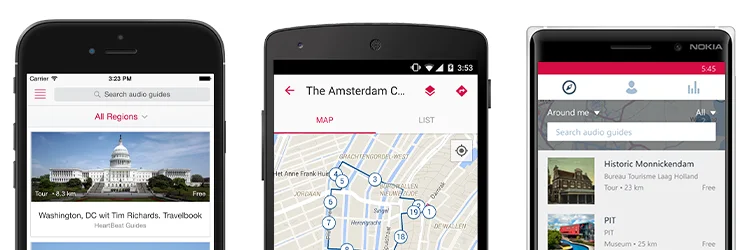
Crea i tuoi audio tour!
L'uso del sistema e l'app di guida per dispositivi mobili sono gratuiti