3 attrazioni
- Sommario Auditour
-
Sommario Auditour
Update Required To play the media you will need to either update your browser to a recent version or update your Flash plugin.The Garden District's history began with land owned by French explorer Bienville, who established New Orleans, and was later developed in the 1830s by American investors who bought former plantations and laid out large lots. The area was incorporated as the City of Lafayette in 1834 before being annexed by New Orleans in 1852. Originally designed with spacious lots and large homes to accommodate wealthy Americans who wanted to live separately from the French Quarter, the district's character shifted in the late 19th century when some of the large parcels were subdivided, leading to a mix of large mansions and smaller Victorian homes.
1800s:
The land was originally part of a concession belonging to Jean-Baptiste Le Moyne de Bienville. After the Louisiana Purchase, the area was sold and subdivided into large lots for plantations.
1832:
Wealthy American businessmen purchased the land, laying out the streets and blocks with grand plans for a residential neighborhood separate from the Creole-dominated French Quarter.
1834:
The area was incorporated as the City of Lafayette.
1852:
The City of Lafayette was annexed by the City of New Orleans, and the district became part of the larger city.
Late 1800s:
Some of the original large lots were subdivided, creating a more varied mix of architecture as the area became more urban. This period saw the emergence of architectural styles like Second Empire and Italianate, alongside the earlier Greek Revival styles.
20th/21st Century:
The neighborhood's historic architecture has been preserved and is now a National Historic Landmark, attracting visitors who admire the grand mansions and gardens. Some damage from Hurricane Katrina occurred, mostly wind-related roof damage, but the area was spared from the widespread flooding other parts of the city experienced. - 1 History Note on Garden District Creation
- 2 Buckner Mansion
- 3 The “Jefferson Davis” House
-
Sommario Auditour
Update Required To play the media you will need to either update your browser to a recent version or update your Flash plugin.The Garden District's history began with land owned by French explorer Bienville, who established New Orleans, and was later developed in the 1830s by American investors who bought former plantations and laid out large lots. The area was incorporated as the City of Lafayette in 1834 before being annexed by New Orleans in 1852. Originally designed with spacious lots and large homes to accommodate wealthy Americans who wanted to live separately from the French Quarter, the district's character shifted in the late 19th century when some of the large parcels were subdivided, leading to a mix of large mansions and smaller Victorian homes.
1800s:
The land was originally part of a concession belonging to Jean-Baptiste Le Moyne de Bienville. After the Louisiana Purchase, the area was sold and subdivided into large lots for plantations.
1832:
Wealthy American businessmen purchased the land, laying out the streets and blocks with grand plans for a residential neighborhood separate from the Creole-dominated French Quarter.
1834:
The area was incorporated as the City of Lafayette.
1852:
The City of Lafayette was annexed by the City of New Orleans, and the district became part of the larger city.
Late 1800s:
Some of the original large lots were subdivided, creating a more varied mix of architecture as the area became more urban. This period saw the emergence of architectural styles like Second Empire and Italianate, alongside the earlier Greek Revival styles.
20th/21st Century:
The neighborhood's historic architecture has been preserved and is now a National Historic Landmark, attracting visitors who admire the grand mansions and gardens. Some damage from Hurricane Katrina occurred, mostly wind-related roof damage, but the area was spared from the widespread flooding other parts of the city experienced.
Recensioni
Non esistono ancora recensioni
Scrivi una recensione per primo- Nessuna recensione ancora. Sii il primo a recensire!
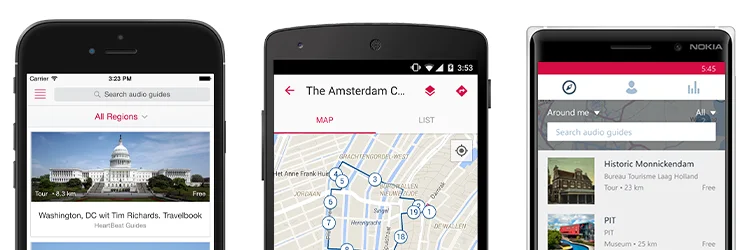
Scarica l'app gratuita izi.TRAVEL
Crea i tuoi audio tour!
L'uso del sistema e l'app di guida per dispositivi mobili sono gratuiti