只有 荷兰语 English
The Road to War
Update Required To play the media you will need to either update your browser to a recent version or update your Flash plugin.
At the crossroads of the Mediterranean, Malta has often been occupied by the dominant power in the region.
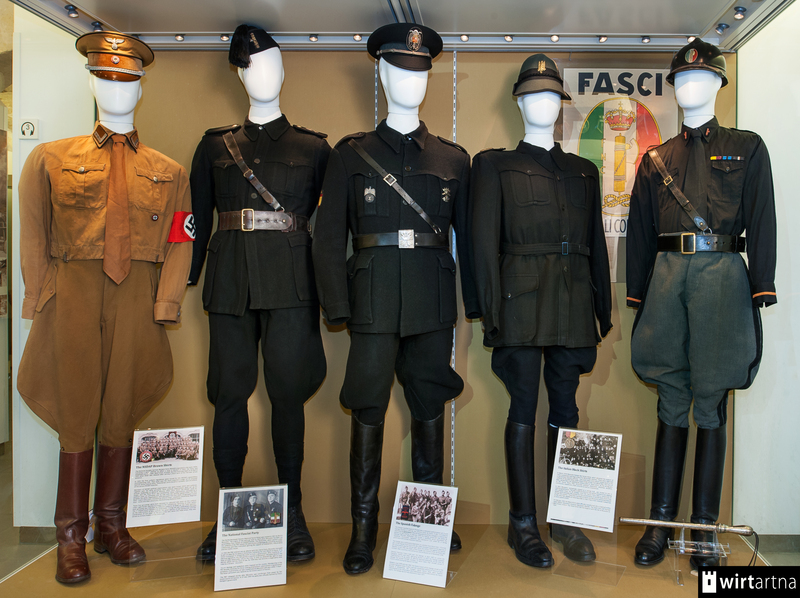
At the opening of World War II, Malta was a British protectorate, and afforded Britain control of the central and Eastern Mediterranean. Britain’s supremacy in the region had been virtually unchallenged until the 1930s when Fascist Italy, bent on reviving the glories of ancient Rome, set her claims on Malta.
Many Maltese citizens were split in loyalty between their British governors on one hand, and their historic links to Italian culture on the other. It was only natural that a conflict between Britain and Italy would be a fight both for Malta's land and loyalty.
This local tension had been brewing for years. The Italian Government directly ran one of the major schools on the island, offering free education and books. The British had suspended the Maltese constitution in 1930, and again in 1933 when it also sacked the entire Maltese government. The leader of that government, Enrico Mizzi, together with many others would later be arrested, interned, and eventually deported to Uganda by the British.
In 1934 English and Maltese were made the official languages of Malta, and the British intensified a policy of aggressive surveillance and discrimination against teachers, journalists, or clergy who had Italian sympathies.
Yet Malta was far from alone in its internal turmoil. The first World War had ended with many countries feeling they had been dealt an unfair outcome. Many viewed democracy as too weak to resist these injustices, and turned to dictatorship. Russia became a dictatorship in 1917, followed by Italy in the mid-1920s, Germany in 1933, Greece in 1936, and Spain in 1939. Even many of Europe’s smaller countries had turned to dictatorship as well. Hungary in 1919, Lithuania, Poland, and Portugal in 1926, and Romania in 1938.
Combined with the economic crisis of the 1920's resentment piled up in one country after another leading to a range of armed conflicts, as Russia invaded Poland, and Romania invaded Hungary.
Millions were unemployed or lost their investments, and nationalists were keen to blame theses troubles on other countries, or minorities such as the Jews or Gypsies. In countries which retained democracy, the threats of communism and fascism were often used to justify limiting civil liberties and committing violence against dissenters.
The First World War had hardened millions of men to violence. For many, it became an acceptable way of achieving political goals and safeguarding national interests. Another World War was rapidly approaching.
At the opening of World War II, Malta was a British protectorate, and afforded Britain control of the central and Eastern Mediterranean. Britain’s supremacy in the region had been virtually unchallenged until the 1930s when Fascist Italy, bent on reviving the glories of ancient Rome, set her claims on Malta.
Many Maltese citizens were split in loyalty between their British governors on one hand, and their historic links to Italian culture on the other. It was only natural that a conflict between Britain and Italy would be a fight both for Malta's land and loyalty.
This local tension had been brewing for years. The Italian Government directly ran one of the major schools on the island, offering free education and books. The British had suspended the Maltese constitution in 1930, and again in 1933 when it also sacked the entire Maltese government. The leader of that government, Enrico Mizzi, together with many others would later be arrested, interned, and eventually deported to Uganda by the British.
In 1934 English and Maltese were made the official languages of Malta, and the British intensified a policy of aggressive surveillance and discrimination against teachers, journalists, or clergy who had Italian sympathies.
Yet Malta was far from alone in its internal turmoil. The first World War had ended with many countries feeling they had been dealt an unfair outcome. Many viewed democracy as too weak to resist these injustices, and turned to dictatorship. Russia became a dictatorship in 1917, followed by Italy in the mid-1920s, Germany in 1933, Greece in 1936, and Spain in 1939. Even many of Europe’s smaller countries had turned to dictatorship as well. Hungary in 1919, Lithuania, Poland, and Portugal in 1926, and Romania in 1938.
Combined with the economic crisis of the 1920's resentment piled up in one country after another leading to a range of armed conflicts, as Russia invaded Poland, and Romania invaded Hungary.
Millions were unemployed or lost their investments, and nationalists were keen to blame theses troubles on other countries, or minorities such as the Jews or Gypsies. In countries which retained democracy, the threats of communism and fascism were often used to justify limiting civil liberties and committing violence against dissenters.
The First World War had hardened millions of men to violence. For many, it became an acceptable way of achieving political goals and safeguarding national interests. Another World War was rapidly approaching.